





Army blows up five tons of explosive chemicals in Iowa amid toxic lead dust environmental fears
The U.S. Army detonated nearly five tons of highly unstable bomb-making chemicals Wednesday morning at the Iowa Army Ammunition Plant in Middletown, Iowa, bringing an end to a hazardous stockpile – but raising new concerns about potential environmental contamination and public health risks.
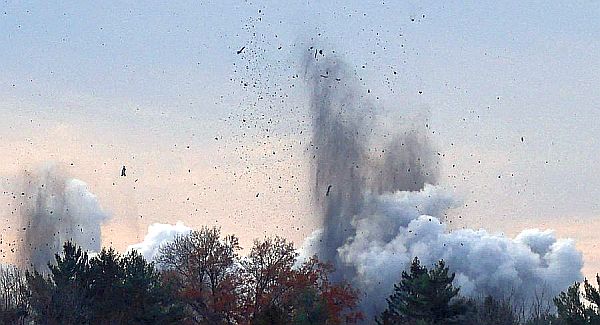
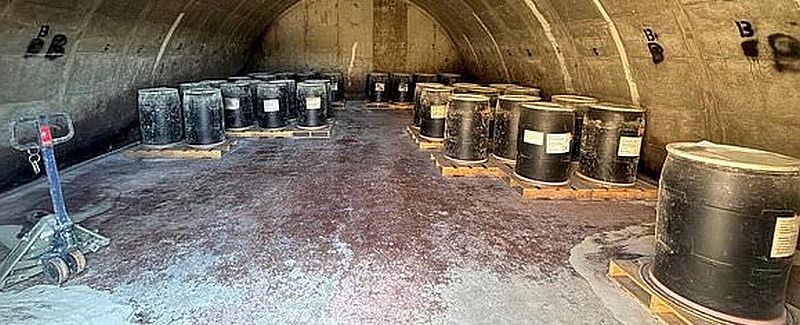
The November 25 detonation destroyed 68 barrels containing approximately 9,500 pounds of lead azide, the nation’s entire stockpile of the explosive chemical. The controlled blast took place around 9 a.m. local time, despite warnings that the explosion could send potentially toxic lead dust into surrounding communities and across parts of southeastern Iowa and northeastern Missouri.
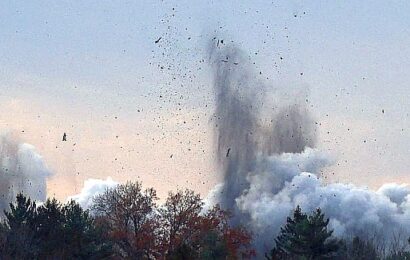
Video recorded several miles away showed two large white plumes rising above the detonation site as witnesses reported hearing two loud explosions.
Trump said that preliminary reports indicated that the Army’s efforts to contain the resulting plume had “far exceeded expectations.” But questions about the long-term consequences remain.
~
How Did the Dangerous Chemicals End Up in Iowa?
The lead azide stockpile was not originally intended to remain in Iowa permanently.
According to federal officials, the chemicals were transported to the Iowa Army Ammunition Plant from military installations around the country in 2009. The material, used in manufacturing military ammunition and explosives, was retained in case it was needed for future military production.
That decision eventually created a serious safety problem.
During an inspection in March 2026, plant personnel discovered that the decades-old lead azide had partially crystallized inside its storage barrels. The deterioration made the explosive increasingly sensitive to friction, handling and cold temperatures, creating the possibility of a spontaneous, uncontrolled explosion.
Army explosives specialists concluded that attempting to open the containers, chemically neutralize their contents or use alternative treatment methods could create even greater dangers.
Military officials ultimately determined that a carefully controlled detonation was the safest available option.
~
Why Blowing Up the Chemicals Raised Serious Health Concerns
Although the Army characterized the operation as controlled, environmental and public health experts warned that detonating nearly five tons of lead-based explosives could release hazardous lead particles into the atmosphere.
Lead is particularly dangerous because there is no known safe level of exposure. It can enter the body through inhalation or ingestion and cause permanent neurological and developmental damage, kidney problems and other serious health effects.
Children, pregnant women and people with existing health conditions face particular risks.
Unlike some airborne pollutants, lead dust and fumes cannot necessarily be detected by smell or sight. Contamination can also settle on windows, floors, soil, crops and other surfaces, where people and animals may encounter it long after the explosion.
Before the blast, federal health officials urged vulnerable residents to leave the affected area. Residents within approximately five miles of the ammunition plant were also advised to evacuate or take precautions.
The potential spread of the plume prompted Iowa Gov. Kim Reynolds to declare a disaster emergency covering Des Moines, Lee and Van Buren counties.
~
What Were the Army’s Precautions?
To reduce the danger of airborne contamination, the Army constructed an extensive containment system around the explosives.
The 68 barrels were placed inside a protected detonation area surrounded by concrete, earth and sand barriers reportedly reaching two stories high.
Military planners also used ballistic gels and specialized foams intended to absorb lead particles. More than 100,000 gallons of water were planned to help suppress dust and limit the spread of potentially contaminated debris.
Weather conditions were another major consideration. Officials repeatedly adjusted the detonation schedule to account for wind direction and other safety concerns.
The blast was ultimately conducted under conditions intended to carry the plume southwest, away from nearby Burlington, Iowa, and toward less populated areas.
~
Environmental Concerns Remain After the Explosion
The destruction of the explosives does not necessarily eliminate the environmental threat.
Lead does not break down or disappear naturally. Once released, it can remain in soil, sediment and household dust for years, potentially entering waterways and agricultural environments.
Residents and environmental advocates are particularly concerned about possible contamination of:
- Air: Fine lead particles could remain airborne or travel beyond the immediate blast area.
- Homes: Contaminated dust could settle on windows, floors, outdoor furniture and other surfaces.
- Soil and farmland: Lead deposits could affect agricultural land, livestock and wildlife.
- Water supplies: Runoff carrying lead particles could potentially reach streams, drainage systems and other waterways.
The Environmental Protection Agency said it would conduct air monitoring and environmental testing during and after the detonation.
Initial reports indicated that EPA air monitors around the ammunition plant did not register airborne lead during the first 15 minutes following the explosion. However, that early reading does not establish that no contamination occurred or rule out later surface deposition.
Forecasts from federal agencies had identified areas southwest of the plant where airborne and surface lead concentrations could exceed EPA limits.
~
What’s Next?
The immediate priority is determining how much lead escaped the containment system and where it ultimately settled.
EPA monitoring and follow-up testing will be important in establishing whether nearby homes, agricultural properties, soil and water have been contaminated.
Residents will also need clear guidance about when it is safe to return to affected areas, whether household cleaning or environmental remediation is necessary, and whether continued monitoring will be required.
The operation followed a contentious legal battle after environmental groups challenged the Army’s original detonation plans over concerns about public health and environmental damage. A federal appeals court ultimately allowed the operation to proceed after a previous court order temporarily halted it.
For residents who live near the ammunition plant, the explosion may have eliminated an immediate threat of an uncontrolled detonation. But the larger question remains: Did the Army successfully contain the dangerous material, or will surrounding communities face a lingering lead contamination problem?
That answer will depend on the environmental testing and monitoring that follow.
~
(Sources: Benzie County Record Patriot, UPI, CNN)
Posted by Richard Webster, Ace News Today
Follow Richard on Facebook, Twitter & Instagram