


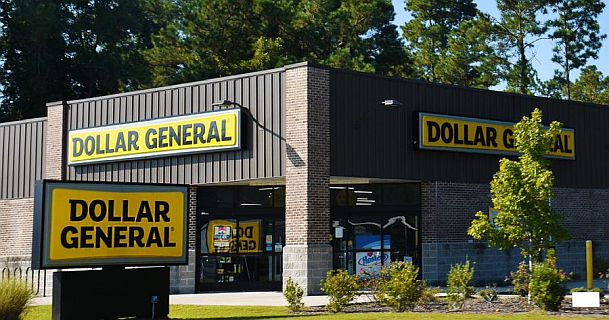
Consumer protection: More states join in suing Dollar General over fraudulent pricing practices

The price advertised on the shelf should be the price customers pay at the register!
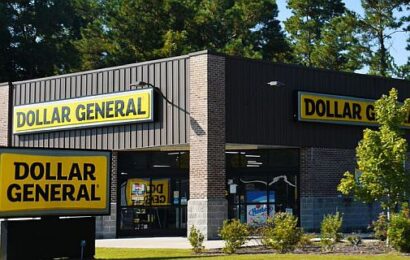
A growing legal battle over alleged deceptive pricing practices at Dollar General is gaining momentum, with 10 additional states joining a Federal Trade Commission (FTC) lawsuit accusing the discount retailer of overcharging customers at the register. Announced November 20, 2026, the expansion brings the number of participating states to 30, adding pressure on one of America’s largest discount retail chains.
The FTC alleges that Dollar General stores routinely charged shoppers more than the prices displayed on store shelves, product tags and advertisements. According to the amended complaint, the alleged violations have continued for years, costing consumers millions of dollars.
The 10 newly added states are:
- Delaware,
- Georgia,
- Kentucky,
- Maine,
- Minnesota,
- New Mexico,
- Oregon,
- Rhode Island,
- South Carolina, and
- South Dakota.
They join 20 states that previously partnered with the FTC in the lawsuit.
The agency claims Dollar General had extensive knowledge of the pricing problems but failed to adequately correct them or establish sufficient safeguards to prevent recurring overcharges. The original complaint also alleged that thousands of stores were involved in practices that disproportionately affected vulnerable shoppers.
The amended lawsuit, authorized by a unanimous 2-0 FTC commission vote, was filed in the U.S. District Court for the Middle District of Tennessee. It alleges violations of the Federal Trade Commission Act, the Gramm-Leach-Bliley Act and various state consumer-protection laws.
What Is the FTC Seeking?
Federal regulators are pursuing monetary relief, civil penalties and a permanent court injunction that could require Dollar General to change how it handles pricing accuracy.
Such an injunction could have significant operational consequences for the retailer, which operates more than 21,000 stores nationwide. Ensuring that shelf labels, advertised prices and checkout registers consistently match could require changes to store procedures and employee responsibilities.
Dollar General previously said it intends to fight the allegations, maintaining that pricing errors occur occasionally, that employees are expected to correct them, and that the company has made improvements to its price-accuracy procedures. The retailer also said it had cooperated with the FTC’s investigation.
The company has not publicly commented on the newly amended complaint.
A Growing Challenge for the Discount Retailer
The lawsuit represents a significant consumer-protection challenge for Dollar General, whose business model depends heavily on attracting budget-conscious shoppers through low prices and everyday savings.
With 30 states now participating alongside federal regulators, the legal pressure is substantially greater than when the original lawsuit was filed in October.
However, the allegations have not yet been proven in court. The case will ultimately determine whether Dollar General violated federal and state consumer-protection laws and what financial or operational consequences, if any, the company will face.
For millions of Americans who depend on discount stores to stretch their household budgets, the central issue is straightforward: The price advertised on the shelf should be the price customers pay at the register.
~
(Sources: Federal Trade Commission. Reuters, 24/7 Wall Street)
Posted by Richard Webster, Ace News Today
Follow Richard on Facebook, Twitter & Instagram