





War: Iran demands major U.S. concessions to reopen Strait of Hormuz
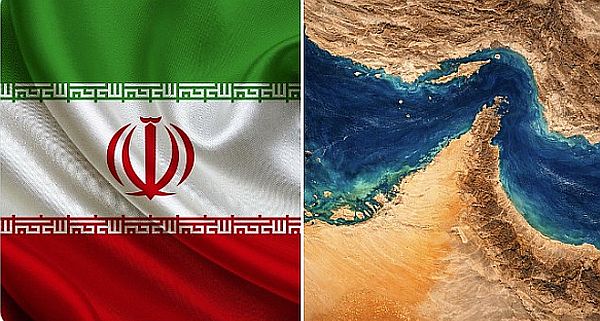
WASHINGTON — Iran has dramatically raised the stakes over the future of the Strait of Hormuz, saying the vital waterway will not reopen unless the United States agrees to a sweeping list of demands. Iranian officials say they are close to reaching a temporary agreement with Oman on how commercial shipping could resume through the strait. But Tehran says reopening the passage is dependent on Washington first meeting six major conditions.
Iran’s conditions for reopening the strait
According to Iranian officials, the United States must:
- End the war with Iran and its regional allies and permanently abandon threats against Iran.
- Lift U.S. sanctions imposed on Tehran.
- End the U.S. naval blockade of Iranian ports.
- Withdraw American military forces from the region.
- Release Iran’s frozen assets without conditions.
- Fully compensate Iran for war-related damages.
Iranian Foreign Minister Abbas Araghchi said Sunday that negotiations with Oman on navigation through Hormuz were nearing an agreement, but warned that reopening the waterway depends on resolving the broader dispute with Washington. The stakes are enormous. Before the war, roughly one-fifth of the world’s oil supplies passed through the Strait of Hormuz. Since the conflict began, shipping has collapsed, with only a fraction of the normal number of vessels making the crossing.
The situation became even more tense after the United Arab Emirates accused Iran of firing a missile at a vessel owned by Abu Dhabi’s state oil company, ADNOC. The company reported no casualties.
Trump: U.S. has weapons — and wants more
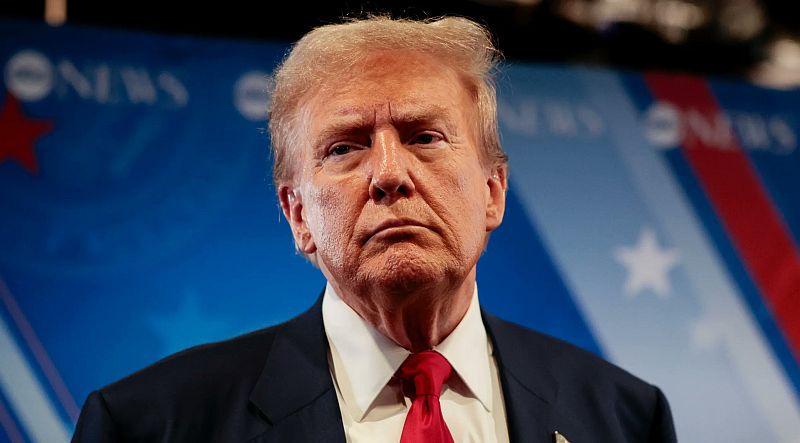
Donald Trump has not publicly accepted Iran’s new conditions. Amid concerns about the conflict and U.S. weapons stockpiles, Trump said the United States has some extremely powerful munitions in virtually unlimited supply, while acknowledging that supplies of other weapons are tighter.
Trump said the United States is “in great shape,” but added that Washington nevertheless wants to increase its stockpiles because other conflicts could potentially emerge.
Meanwhile, the Pentagon is pressing defense contractors to accelerate weapons production as some U.S. inventories decline. The administration’s proposed $1.5 trillion defense budget, however, remains stalled while Congress is on its August recess.
~
Oil prices rise as Hormuz uncertainty grows
Iran’s demands immediately added fresh uncertainty to already nervous global energy markets.
Brent crude rose more than 1% Monday, reaching $84.11 a barrel at 7:30 GMT, according to Al Jazeera. The international benchmark was approximately 16% higher than before the U.S.-Israeli war with Iran began. Energy analysts say traders are adding a “risk premium” to oil prices because there is still no guarantee that negotiations will produce a lasting agreement or that shipping through Hormuz will return to normal.
For American motorists, continued disruption of the world’s most important oil chokepoint threatens to keep upward pressure on U.S. gasoline prices. A prolonged closure or renewed attacks on commercial shipping could push crude prices higher, increasing the cost of gasoline and other petroleum products.
For now, the possibility of a diplomatic agreement offers some hope of stabilizing energy markets. But Iran’s new demands — combined with continuing attacks and uncertainty over the negotiations — have made a rapid return to normal shipping through the Strait of Hormuz far less certain.
For more on these latest developments with the war in Iran, see the video accompanying this article.
~
(Sources: ABC7 News, KCRA, Aljazeera)
Posted by Richard Webster, Ace News Today
Follow Richard on Facebook, Twitter & Instagram